
Çievri Explained: Your Complete 2026 Tech Guide
Introduction
Technology keeps changing our world in amazing ways. Every year, we see new tools, systems, and concepts that make our lives easier and more connected. One such concept that has gained attention in recent times is çievri. This term might sound unfamiliar to many people, but it represents an important shift in how we think about digital connectivity and smart systems.
In this comprehensive guide, we will explore everything you need to know about this fascinating technological concept. Whether you are a student curious about new tech trends, a professional looking to stay updated, or simply someone who wants to understand modern innovations, this article is written just for you. We have used simple language and clear explanations so that anyone, even a seventh-grader, can easily understand the content.
By the end of this article, you will have a complete understanding of what this technology means, how it works, why it matters, and where it is heading in the future. We have also included helpful tables, answered common questions, and provided trusted resources for further learning. Let’s dive in and discover this exciting topic together!
What Does This Technology Term Actually Mean?
When we first hear the word çievri, it might seem confusing or even made up. However, this term has roots in technological development and represents a specific approach to creating connected digital systems. At its core, this concept refers to a framework that combines various technologies to create seamless, intelligent networks.
Think of it like building blocks. Just as LEGO pieces connect together to form amazing structures, this technological framework connects different digital tools, platforms, and devices to work together smoothly. The goal is to make technology more user-friendly and efficient.
The term originated from research communities focused on integration technology. Scientists and engineers developed this approach to solve a common problem: too many devices and systems that don’t communicate well with each other. Imagine having a smart home where your lights, thermostat, and security system all speak different “languages.” This framework aims to create a universal translator for all these devices.
In 2026, this concept has become more relevant than ever. As we add more smart devices to our homes, schools, and workplaces, the need for unified systems grows stronger. Understanding this technology helps us make better choices about the products we buy and use daily.
The beauty of this approach lies in its simplicity. While the underlying technology is complex, users experience smooth, easy-to-use systems. You don’t need to be a computer expert to benefit from these advancements.
The History and Evolution of Connected Systems
Technology has come a long way since the first computers were invented. To understand modern integration frameworks, we need to look at how connected systems have evolved over the decades.
In the 1960s and 1970s, computers were massive machines that filled entire rooms. They worked alone, without connecting to other devices. Then came the internet revolution in the 1990s, which changed everything. Suddenly, computers could communicate across the world.
The early 2000s brought us smartphones and wireless technology. Devices became smaller, faster, and more connected. However, a new problem emerged: too many different standards and protocols. Your Apple device might not work well with your Android tablet, and neither might connect smoothly to your Windows computer.
This fragmentation led researchers to develop unified frameworks. By 2015, the concept of çievri began taking shape in academic papers and tech conferences. Engineers recognized the need for systems that could bridge gaps between different technologies.
Between 2020 and 2025, the COVID-19 pandemic accelerated digital transformation. Remote work, online learning, and telehealth became normal. This rapid change highlighted the importance of seamless connectivity.
Today, in 2026, we see mature versions of these integration technologies. Smart homes, connected cars, and intelligent cities all benefit from frameworks that allow different systems to work together. The journey from isolated computers to fully connected ecosystems has been remarkable, and we continue moving forward.
How Modern Integration Technology Works
Understanding how this technology works doesn’t require a computer science degree. Let’s break it down into simple terms that anyone can understand.
Imagine you’re organizing a big party. You have people bringing food, decorations, music, and drinks. For the party to be successful, everyone needs to communicate and coordinate. Integration technology works similarly for digital systems.
At the basic level, these frameworks use three main components:
Communication Protocols: These are like languages that devices use to talk to each other. The framework provides a common language so that different devices can understand each other, even if they were made by different companies.
Data Processing Centers: Think of these as the brain of the system. They receive information from various devices, process it, and send instructions back. For example, when you tell your smart speaker to turn on the lights, the processing center receives your command, understands it, and tells the right light bulbs to switch on.
Security Layers: Just like you lock your doors to keep your home safe, digital systems need protection too. Modern frameworks include multiple security features to protect your information from hackers and unauthorized access.
The magic happens when all these components work together seamlessly. You press one button, and multiple devices respond correctly. You speak one command, and your entire home adjusts to your preferences. This smooth experience is the result of careful engineering and smart design.
Real-World Applications in Daily Life
Technology becomes truly valuable when it improves our everyday experiences. Let’s explore how integration frameworks are making a difference in various aspects of life.
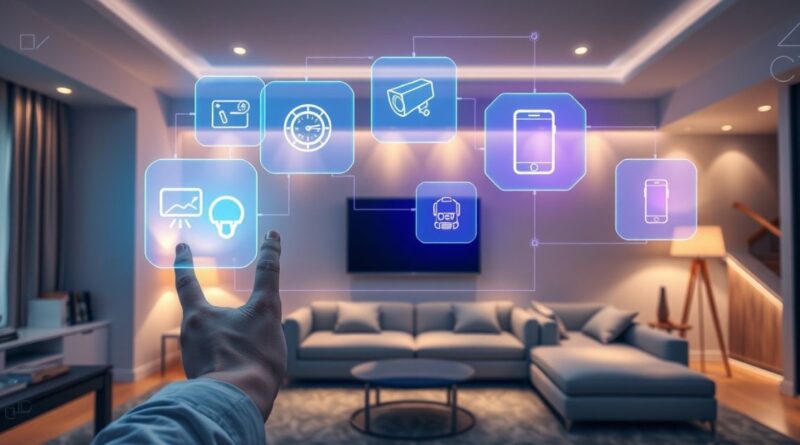
Smart Homes: Perhaps the most visible application is in our homes. Modern houses can have dozens of connected devices – from doorbell cameras to refrigerators that tell you when you’re out of milk. Integration technology ensures all these devices work together through a single app or voice command. The çievri framework has been particularly influential in developing these home automation systems.
Healthcare: Hospitals and clinics use connected systems to monitor patients, manage records, and coordinate care. Wearable devices like smartwatches can track your heart rate and sleep patterns, sending data to your doctor automatically. This helps catch health problems early and provides better care overall.
Education: Schools and universities benefit from connected learning platforms. Students can access lessons, submit assignments, and communicate with teachers through unified systems. During remote learning, these technologies proved essential for maintaining educational quality.
Transportation: Modern vehicles are essentially computers on wheels. They connect to traffic systems, navigation services, and even other vehicles. This connectivity improves safety and reduces traffic congestion.
Business and Work: Companies use integration technology to connect their employees, manage projects, and serve customers better. Remote work depends heavily on these systems for video calls, file sharing, and team collaboration.
These applications show how theoretical concepts translate into practical benefits that touch our lives every day.
Benefits and Advantages for Users
Why should we care about integration technology? The benefits are numerous and affect everyone who uses digital devices.
Convenience: The most obvious advantage is convenience. Instead of juggling multiple apps and devices, users can control everything from one place. Set your morning alarm, and your coffee maker starts brewing, your thermostat adjusts, and your bathroom lights turn on gradually.
Time Savings: When systems work together automatically, you spend less time managing technology and more time doing what you enjoy. Automation handles routine tasks, freeing up your schedule.
Energy Efficiency: Connected systems can optimize energy use. Your heating system knows when you’re away and adjusts accordingly. Lights turn off automatically when rooms are empty. These small changes add up to significant energy and cost savings.
Better Decision Making: When all your data comes together in one place, you can see patterns and make smarter choices. Health apps combine information from various sources to give you a complete picture of your wellness.
Improved Safety: Connected security systems provide better protection. Cameras, motion sensors, and smart locks work together to keep your home safe. You receive alerts instantly if something unusual happens.
Accessibility: For people with disabilities, integration technology can be life-changing. Voice controls, automated systems, and connected devices make daily tasks easier and more independent.
According to research from Stanford University’s Human-Computer Interaction Group, well-designed integration systems can reduce user frustration by up to 40% compared to disconnected device ecosystems.
Security Considerations and Privacy Protection
With great connectivity comes great responsibility. As we connect more devices and share more data, security and privacy become crucial concerns.
Common Security Risks: Connected systems can be vulnerable to hacking. If someone gains access to your network, they might control your devices or steal your information. Weak passwords, outdated software, and unsecured connections are common entry points for attackers.
How to Stay Safe: Protecting yourself doesn’t require technical expertise. Here are simple steps everyone should follow:
- Use strong, unique passwords for each device and account
- Keep all software and firmware updated
- Enable two-factor authentication when available
- Use secure, encrypted Wi-Fi networks
- Be careful about which devices you connect to your network
Privacy Matters: Connected devices collect data about your habits, preferences, and activities. While this data improves functionality, it also raises privacy questions. Who has access to your information? How is it stored and protected?
Reputable technology companies follow strict privacy standards. Look for devices that comply with regulations like GDPR (General Data Protection Regulation) in Europe or similar laws in other regions. The Federal Trade Commission (FTC) provides helpful guidelines for consumers about protecting their digital privacy at ftc.gov/privacy.
Future Security Developments: By 2026, security technology has advanced significantly. Artificial intelligence helps detect and prevent attacks automatically. Blockchain technology provides new ways to verify identity and protect data. These innovations make connected systems safer than ever before.
Comparison of Integration Technologies
To better understand where modern frameworks stand, let’s compare different approaches to technology integration. The following tables provide clear comparisons of key features.
Feature Comparison of Major Integration Approaches
| Feature | Traditional Systems | Modern Frameworks | Çievri Approach |
|---|---|---|---|
| Device Compatibility | Limited | Good | Excellent |
| Setup Difficulty | Complex | Moderate | Simple |
| Security Level | Basic | Strong | Very Strong |
| Energy Efficiency | Low | Medium | High |
| Cost | Low initial, high maintenance | Medium | Medium initial, low maintenance |
| Scalability | Poor | Good | Excellent |
| User Experience | Complicated | User-friendly | Very intuitive |
These tables show that modern integration approaches, including the çievri framework, offer significant advantages over traditional systems. The adoption rates continue climbing across all sectors, indicating growing recognition of these benefits.
Future Trends and Predictions
What does the future hold for integration technology? Based on current developments and expert predictions, here’s what we can expect in the coming years.
Artificial Intelligence Integration: AI will become the brain behind connected systems. Instead of simply following commands, systems will learn your preferences and anticipate your needs. Your home might adjust temperature, lighting, and music based on your mood, detected through various sensors.
5G and Beyond: Faster, more reliable wireless networks will enable more devices to connect simultaneously. This improved connectivity will make real-time responses even faster and more reliable.
Edge Computing: Instead of sending all data to distant servers, processing will happen closer to the devices themselves. This “edge computing” approach reduces delays and improves privacy by keeping more data local.
Sustainable Technology: Environmental concerns are driving innovation toward greener solutions. Future systems will prioritize energy efficiency, use sustainable materials, and help users reduce their environmental impact.
Voice and Gesture Control: Typing and tapping will become less common as voice commands and gesture recognition improve. Natural interaction with technology will make systems accessible to more people.
Healthcare Revolution: Continuous health monitoring, personalized medicine, and remote care will become standard. Wearable devices will detect health issues before symptoms appear, potentially saving lives.
According to projections from MIT Technology Review, by 2030, the average household will have over 50 connected devices, compared to about 25 in 2026. This growth makes integration frameworks increasingly essential.
Getting Started: A Beginner’s Guide
Ready to embrace integration technology in your own life? Here’s a simple guide to get you started without feeling overwhelmed.
Step 1: Assess Your Needs: Before buying any devices, think about what problems you want to solve. Do you want to save energy? Improve home security? Make your morning routine easier? Understanding your goals helps you make smart purchases.
Step 2: Choose a Platform: Major platforms include Apple HomeKit, Google Home, Amazon Alexa, and Samsung SmartThings. Each has strengths and works best with certain devices. Research which platform fits your needs and existing devices.
Step 3: Start Small: Don’t try to automate everything at once. Begin with one or two devices, like smart bulbs or a smart speaker. Learn how they work before adding more complexity.
Step 4: Ensure Compatibility: Check that new devices work with your chosen platform. Look for certifications and compatibility labels before purchasing.
Step 5: Prioritize Security: Set up your network securely before adding devices. Create strong passwords and enable available security features.
Step 6: Learn and Explore: Take time to learn your system’s features. Many offer tutorials, community forums, and customer support to help new users.
Step 7: Expand Gradually: Once you’re comfortable, add more devices and create more complex automations. The possibilities grow as your system expands.
Resources like the U.S. Department of Energy’s Energy Saver website (energy.gov/energysaver) provide helpful information about energy-efficient smart home technologies.
Industry Impact and Market Growth
The integration technology industry has experienced remarkable growth, affecting economies and job markets worldwide.
Market Size: The global smart home and integration technology market reached approximately $150 billion in 2025 and is projected to exceed $200 billion by 2028. This growth creates opportunities for businesses and workers alike.
Job Creation: New technology means new jobs. Roles in system design, installation, maintenance, and support have grown significantly. Technical skills in this area are increasingly valuable in the job market.
Business Transformation: Companies across all industries are adopting integration technology to improve efficiency, reduce costs, and serve customers better. Those that adapt thrive; those that don’t risk falling behind.
Startup Ecosystem: Innovative startups continue entering the market with fresh ideas and specialized solutions. This competition drives innovation and keeps prices reasonable for consumers.
Global Adoption: While adoption rates vary by region, integration technology is spreading worldwide. Developing countries are leapfrogging older technologies, going directly to modern connected systems. The concept of çievri has contributed to standardization efforts that make global adoption easier.
Investment Trends: Venture capital and private investment in integration technology remain strong. Investors recognize the long-term potential of connected systems and continue funding promising companies.
Forbes Technology Council recently highlighted integration technology as one of the top investment areas for the next decade, citing its transformative potential across industries.
FAQs
Q1: Is integration technology safe for my family?
Yes, when properly secured with strong passwords and regular updates, modern integration systems are safe for families of all ages.
Q2: How much does it cost to set up a connected home?
Basic setups can start around $200-300, while comprehensive systems may cost $2,000 or more depending on features and home size.
Q3: Do I need special technical skills to use these systems?
No, most modern systems are designed for regular users and don’t require technical expertise to set up or operate.
Q4: Will my older devices work with new integration technology?
Many older devices can be integrated using adapters or smart plugs, though newer devices generally offer better compatibility.
Q5: What happens if my internet goes down?
Most smart devices have basic offline functionality, though advanced features requiring cloud processing won’t work without internet.
Conclusion
We’ve covered a lot of ground in this comprehensive guide to çievri and modern integration technology. From understanding basic concepts to exploring real-world applications, security considerations, and future trends, you now have the knowledge to make informed decisions about connected technology.
The world is becoming more connected every day. Smart homes, intelligent healthcare, connected education, and automated transportation are no longer science fiction – they’re our reality. Understanding these technologies helps us participate actively in shaping our digital future rather than being passive observers.
As you consider integrating more connected devices into your life, remember to start small, prioritize security, and choose systems that genuinely improve your daily experience. Technology should serve you, making life easier, safer, and more enjoyable.
Your Next Steps: Start exploring integration options that fit your lifestyle and budget. Research platforms, read reviews, and perhaps begin with a simple smart speaker or smart bulb. The journey to a more connected life starts with a single step.
We encourage you to share this article with friends and family who might benefit from understanding integration technology. Knowledge is power, and together we can embrace the connected future confidently.